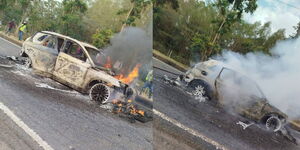

Car fires, though relatively rare, can be sudden and extremely dangerous. Understanding the causes helps drivers prevent incidents and respond safely if one occurs.
Sudden car fires usually originate from a combination of mechanical issues, electrical faults, or human error.
Repairs and Modifications
One of the most overlooked and common causes of car fires in Kenya occurs at repair shops.
During electrical welding, failing to disconnect the ground battery terminal (negative) can produce sparks that ignite nearby flammable materials.
Similarly, during gas welding, accidental exposure of fuel lines or tanks to flames, or contact with plastic components or vehicle paint, can also trigger fires if proper precautions are not taken.

Electrical System Failures
Faulty wiring, short circuits, or overloaded electrical systems are among the leading causes of vehicle fires.
Modern cars are packed with electronics, from infotainment systems to advanced driver-assistance sensors.
A damaged wire or loose connection can generate sparks that ignite flammable materials under the hood.
Fuel System Leaks
Petrol and diesel can be highly flammable if not handled properly. Leaks from the fuel tank, fuel lines, or injectors can create a fire hazard, especially if fuel comes into contact with hot engine components or a spark from the electrical system.
Engine Overheating
Engines running hotter than designed can ignite fluids like oil, coolant, or fuel. Overheating may occur due to a malfunctioning radiator, a coolant leak, or blocked airflow. Once the engine compartment reaches extreme temperatures, any flammable material in contact with it is at risk of ignition.
Accidents and Collisions
Crashes can damage fuel lines, electrical systems, or batteries, creating conditions for immediate fire. High-speed collisions or impact with sharp objects may rupture tanks or ignite sparks, causing sudden combustion. This is especially common in fuel tankers.
Aftermarket Modifications
Non-standard installations such as high-powered stereos, additional lights, or performance parts can increase the load on a car’s electrical system. Improper wiring or incompatible components may trigger short circuits that ignite nearby flammable materials.
Battery and Hybrid Vehicle Risks
Lithium-ion batteries, common in hybrid and electric vehicles, can catch fire if punctured or overcharged. Thermal runaway, when the battery heats uncontrollably, can result in sudden, intense fires that are difficult to extinguish.
Poor Maintenance
Ignoring routine servicing increases the risk of fires. Worn-out hoses, corroded wiring, and leaking fluids are all preventable hazards. Regular checks can detect and address vulnerabilities before they escalate.
Prevention
- Inspect and maintain electrical systems regularly.
- Repair fuel leaks promptly.
- Avoid overloading circuits with aftermarket devices.
- Keep the engine bay clean and free of debris.
- Follow manufacturer guidelines for battery care.
- Regularly service the vehicle, including checking hoses, belts, and fluid.
-
Photos of a Mercedes Benz up in flames along Valley Road in Nairobi.Twitter