
The Energy and Petroleum Regulatory Authority (EPRA) has revealed a series of cases involving the sale of adulterated fuel and diversion of export-bound diesel into the local market.
The authority in a public notice issued on Wednesday, December 31, warned that stern action will be taken against offenders.
Between October 1 and December 29, 2025, EPRA recorded multiple violations across various counties, including Nakuru, Kakamega, Makueni, Mombasa, and Marsabit.
According to the authority, the fuel stations and trucks were found selling diesel mixed with domestic kerosene, high-sulphur diesel, or fuel meant solely for export.

In Nakuru, a popular petrol station was among the outlets found selling adulterated diesel with kerosene. However, the station was allowed to reopen after upgrading its product and paying Ksh 140,144 in taxes and penalties.
In Kakamega, another filling station was shut down after being caught offering adulterated diesel for sale. Meanwhile, a petrol station in Makueni faced penalties of Ksh 132,780 after selling diesel intended for export to local buyers.
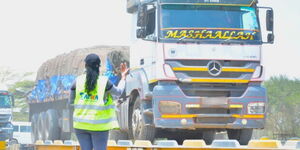
Several trucks found transporting adulterated or export-bound fuel were impounded, with legal proceedings still ongoing in court.
Marsabit County also recorded cases of diesel storage in jerrycans with high sulphur content, believed to be smuggled products. Several sites at the KRA Yard in Moyale had their fuel impounded, and legal proceedings are ongoing.
“The Authority maintains a hotline number, 0709 366 000, operational during normal working hours to enhance enforcement and compliance activities. We urge members of the public to report purported cases of petroleum fuel adulteration or export dumping through the hotline, as well as via our USSD code (*363#) and SMS service (40850). A full list of all sites found with adulterated products is also available on our website,” EPRA said.
Experts warn that adulterated fuel can severely damage vehicle engines, affecting fuel injectors, pistons, and catalytic converters, ultimately leading to costly repairs, reduced performance, and potential engine failure in private and commercial vehicles.
Beyond mechanical damage, adulterated fuel undermines public safety by increasing the risk of fires and emergency mishaps due to inconsistent combustion.
It also contributes to environmental pollution through higher emissions of harmful gases. Additionally, the practice results in substantial loss of government revenue, as taxes and levies meant for legitimate petroleum products are evaded, weakening regulatory enforcement and public trust in the fuel sector.