
The Pan-African Solidarity Group, a coalition of regional civil society organisations and defenders of democracy, has condemned the violence that followed Uganda’s presidential elections on Thursday, January 15, 2026.
The group described the polls as a state-sponsored assault on the sovereignty of Ugandans even as reports emerged that over that people had been accounted to have had been reportedly killed with live ammunition.
In a statement issued on Friday evening, the coalition accused the Ugandan government of using state-funded militias, digital blackouts, and suppression of civil society to manipulate the electoral process. The group said the election was conducted under a “state of siege,” where the regime prioritised control over the constitutional rights of citizens.
At the same time, the organisation alleged a premeditated effort to militarise Uganda’s democratic process while citing discrepancies in the National Voter Register, inflated membership claims by the ruling party, and the “de-nomination” of opposition candidates as evidence of systematic electoral manipulation.

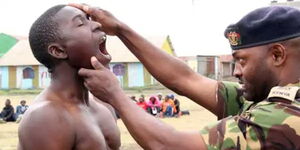
According to the lobby, election-day irregularities included the delayed arrival of voting materials in opposition strongholds and the deployment of the “Ghetto Brigade,” a militia commanded by Major Emmanuel Kutesa under the supervision of Chris Damulira of the Uganda Police.
Furthermore, the coalition reported that state violence resulted in fatalities and targeted abductions, including that of the main opposition figure Bobi Wine, whose party said was picked from his home with a military chopper.
The development is said to have occurred even as the 13 people were reportedly killed on January 16 during a raid on the home of a local politician, Muwanga Kivumbi, in Butambala.
Additional citizens suffered injuries from live ammunition in Nansana and other areas in the East African nation, even as other prominent opposition figures were also reportedly abducted and detained.
Meanwhile, the coalition decried a coordinated information blackout after the Uganda Communications Commission imposed an internet shutdown, and President Yoweri Museveni restricted media access to polling results, a development that observers said allowed for ballot tampering and the destruction of opposition property.
According to the lobby, technical failures further undermined transparency, with the Biometric Voter Verification Kits, which cost the government over Ksh9.7 billion (USD75 million), malfunctioning nationwide, forcing a return to manual registers and enabling multiple voting and other irregularities.
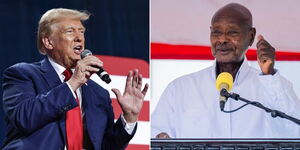
Provisional results cited by the coalition showed President Yoweri Museveni receiving implausibly high numbers, including returns from military barracks, suggesting up to 180 per cent of registered voters. Meanwhile, opposition tallies were allegedly suppressed or ignored.
In response, the Pan-African Solidarity Group demanded the disbandment of the Ghetto Brigade, prosecution of its commanders, release of political detainees, restoration of the internet, and an immediate international investigation into election misconduct.
It also called on regional and international observers, including the East African Community, African Union, and SADC, to report honestly on the violence, fraud, and suppression witnessed.