
In 2025, what once felt like a scene from a sci-fi movie is now becoming reality thanks to Chinese air taxi innovation.
Air taxis, previously referred to as electric Vertical Take-Off and Landing (eVTOL), are small electric aircraft that can take off and land vertically. Currently, they are moving from prototypes to everyday transport in urban areas.
“With the gradual popularisation of low-altitude flights, this type of air taxi will become widespread. It will become a daily mode of transportation, a lifestyle to enjoy,” He Tianxing, the Ehang Vice President, stated.
China isn’t just experimenting; it’s going all in, making these vehicles a core part of its so-called “low-altitude economy” and pushing them as a major export to the world.

These flying cars work by combining the lifting technology of a helicopter with the quiet technology of electric motors.
Some models, like EHang’s EH216-S, use as many as 16 rotors to lift off from compact rooftops or small vertiports, eliminating the need for runways.
Additionally, unlike helicopters and planes, air taxis don’t need pilots because they follow pre-programmed routes guided by AI, GPS, and real-time monitoring from centres based on the ground.
They cruise at around 130 kilometres per hour and can cover short urban routes of up to 30 kilometres. This makes them suitable for quick city commutes.
To ensure passenger safety is paramount, it has more rotors that are able to keep up in case one fails.
To maintain its lead in flying car innovation, China’s Civil Aviation Administration became the first in the world to certify autonomous passenger flights. The country also dominates the supply chain with advanced batteries and drone technology, which makes producing these vehicles faster and cheaper.
Companies are already securing international deals, running demo flights in other countries, and building a global presence. With thousands of firms supporting this low-altitude ecosystem, China can produce air taxis at scale, selling them for roughly Ksh42 million each.
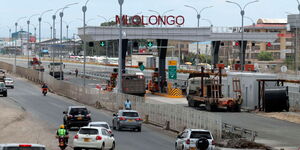
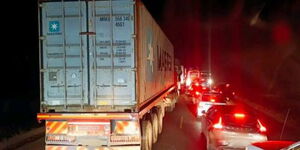
For Kenya, cities like Nairobi, Mombasa, and Kisumu are notorious for traffic jams, especially during the holiday season.
According to a business magazine, commuters in Nairobi lose nearly 94 hours a year stuck in traffic. Air taxis could change this, letting people bypass traffic entirely, reaching tourist destinations faster, and even providing scenic rides above the city.
In an effort to keep up with these innovations, the Kenya Civil Aviation Authority has been updating regulations to keep pace with such technology. The new rules cover airspace safety, minimum flight heights, licensing, and security requirements.
An example is the Surveillance and Collision Avoidance Systems Regulations, 2024, which set technical requirements for secondary surveillance radar and airborne collision avoidance, which are essential for low-altitude operations to prevent mid-air impacts.
These frameworks suggest that Kenya could support commercial air taxis once they arrive, opening doors for services beyond personal transport, like medical emergencies, policing, and firefighting.
Apart from reducing time wasted in traffic jams, Air taxis could create jobs in flight operations, maintenance, and vertiport management while offering a futuristic lifestyle to city residents.
Imagine commuting above the traffic or giving tourists a unique view of Nairobi or the Kenyan coast from the sky. China’s air taxis are more than machines; they are a glimpse into the future of urban life and mobility. For Kenya, adopting this technology could mean cleaner streets, faster travel, and a front-row seat to a new era of innovation.