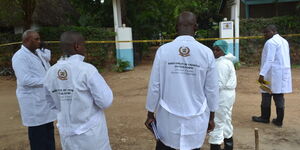
The Directorate of Criminal Investigations (DCI), on Monday, put out a statement addressing a court order that barred them from posting suspects' photographs on social media.
In a series of posts on their official Twitter account, the DCI stated that the mugshots were an important tool in the investigative process.
"Mugshots can help find suspects when they have absconded or warn people when someone is out and dangerous. It's common practice all over the world, Kenya not being an exception, to take and display suspects' photographs right from the time of the arrest to being escorted to prison," the statement read in part.
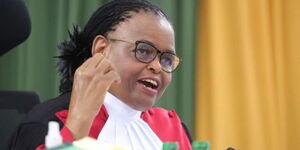
The police agency further faulted the conservatory orders by the High Court restricting the IG and DCI from posting suspects' photographs on social media, terming them discriminatory against the agencies.
"The media stations use both print and electronic mode of transmission of such information which is accessible to the public and there is no reported case where they have been restrained from doing so.
Currently, the police photographs (mugshots) provide a means of recording and detection in tune with emerging modern methods of Policing. They supplement the practice of description with technical aid," DCI added.
The DCI explained that one of its mandate was to protect the members of the public by detecting and preventing the commission of a crime justifying the need to share some mugshots with them.
This, the DCI, stated had led to reductions of organized crimes as members of the public who have been victims of crime have come forward to give information to the Police.
"As prescribed under the National Police Service Act of 2011, the DCI is perfectly within the Law to continue taking booking photographs of suspects which is in line with international best practices.
"In this regard, the order restraining us from posting suspects' mug shots on social media pending the determination of the Petition is not in good public interest and is bad directive as criminal profiling is Universally accepted," the agency divulged.