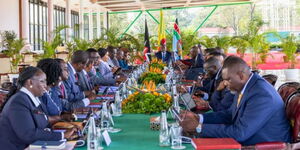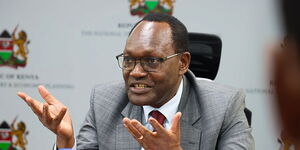

Prime Cabinet Secretary Musalia Mudavadi has called for a referendum to be held alongside the 2027 General Election, which would allow the government to introduce proposals based on NADCO resolutions.
In a press release on December 24, Mudavadi said unresolved constitutional issues could be crafted into referendum questions and submitted for a public vote.
“We can use the 2027 election as the first example to have those issues that have never been resolved crafted well into sensible referendum questions,” he said.
He suggested starting public discussions in 2026, noting that if voters can select multiple leaders on one ballot, they can also handle two or three referendum questions.

Mudavadi, who also serves as Cabinet Secretary for Foreign and Diaspora Affairs, said a successful process would set a precedent in Africa and gain global recognition.
The Prime CS highlighted the importance of Kenyans' voices being heard on unresolved issues, citing examples such as the Supreme Court's nullification of a presidential election.
Referring to the NADCO report as a key anchor for discussions about the referendum, Mudavadi included issues of gender inclusivity and the possible role of a substantive Prime Minister.
With regard to logistical matters, Mudavadi said combining the two exercises would not significantly increase election costs.
He also highlighted other unresolved matters, such as the Constituency Development Fund and the two-thirds gender rule, which could be addressed through a referendum.
Mudavadi argued that a combined process would increase voter turnout and resolve post-election debates, saving time and taxpayer money.
Additionally, the Prime CS added that the proposal would allow Kenya to move from repeated politicking to implementing critical reforms and focusing on development.
"First, we will solve issues that our parliament has been unable to resolve. Two, we will get a higher voter turnout. And three, we will be moving the country away from constant bickering," Mudavadi concluded.