
Protests have continued to rock several towns and regions in Tanzania following the October 29 Tanzanian General Election with media reports now claiming that President Samia Suluhu held separate phone calls with his Kenyan and Ugandan counterparts.
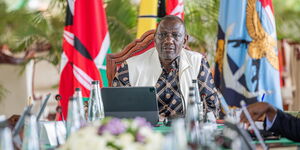
According to African Intelligence, Suluhu reportedly held separate phone calls with Presidents William Ruto and Yoweri Museveni on the evening of Wednesday, October 30, as the post election crisis threatens to destabilise the East African nation.
The outcome of the phone calls is yet to be fully established, but Suluhu could have probably sought the support of the top members of the East African Community in the wake of the post election violence.
The claims of the phone call come amid reports that Suluhu has kept western embassies in the dark over her next steps, with reports indicating there has been no contact between her government and them.

Protesters have accused the government of undermining democracy, as the main opposition leader, Tundu Lissu, remains in jail and another key opposition figure was disqualified from the election, bolstering Suluhu's chances of winning.
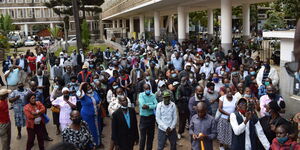
Since Wednesday, protesters have engaged police in running battles, with Tanzanian police firing tear gas and live bullets to disperse them.
Gunfire was heard in the northern city of Mwanza, while clashes broke out in the capital, Dodoma, and the main city, Dar es Salaam, which is under heavy security with major roads blocked.
Deaths in Tanzania & the UN's Reaction
Reports from Tanzania have revealed that tens of people have been killed as a result of the protests, but Opposition leaders have claimed close to 700 people have been killed.
Kenyans, who were cautioned against getting involved, were among the people shot as the protests spilled over to the Tanzanian-Kenyan border in Namanga.
The United Nations, through its human rights office, reacted to the news of the deaths, expressing serious concern at reports of at least 10 people being killed by security forces during election-related demonstrations in Tanzania.
The agency noted that security forces had used firearms and teargas to disperse demonstrators, urging them to refrain from unnecessary use of force, including lethal weapons.
"We are alarmed by the deaths and injuries that have occurred in the ongoing election-related protests in Tanzania. Reports we have received indicate that at least 10 people were killed," UN human rights spokesperson Seif Magango said from Geneva.
Communications & Internet Blackout
Over the election period, the Suluhu administration also imposed an internet and communications blackout on election day, silencing victims and preventing documentation of abuses.
Local and international journalists have since reported intimidation, arbitrary arrests, and censorship.
Among those detained is a Kenyan journalist, Shoka Juma, attached to Nyota TV, who was nabbed while allegedly crossing over to monitor civilian movements at the Lunga Lunga border point.