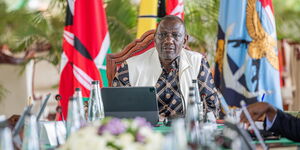

After days of mounting pressure from religious leaders, the government has postponed public participation on the Draft Religious Organisations Policy, 2024 and the Draft Religious Organisations Bill, 2024.
The postponement comes days after the government issued a public notice inviting Kenyans to attend public participation scheduled between December 15 and December 19, 2025.
According to the earlier notice, the forums were to be held across several counties, including Garissa, Eldoret, Isiolo, Nakuru, Mombasa, Machakos, Kisumu, Embu, Kilifi, Kakamega, Nairobi and Nyeri.
However, just a week after the state announced the public participation forums on the draft regulation on religious organisations, the clergy came out to raise their objections.

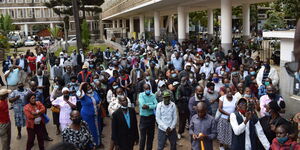
Addressing the press on Monday, December 15, the clergy called for the withdrawal of the proposed law, alleging that it was a scheme by the government to curtail their operations.
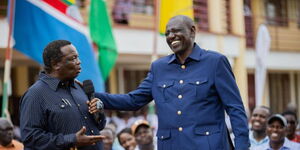
They argued that President William Ruto's administration assumed power with the help of the church and that they would not allow the planned regulation of religious institutions.
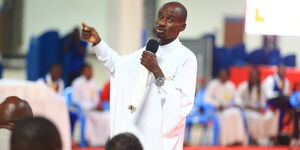
"We are doing well in the matters of ministry, and I am persuaded in my heart that even the president is not aware of what is in the bill. That bill has been drafted by people who do not understand God," said a preacher.
According to the clergy, the draft law violates the constitutional freedom of worship and the self-regulation of worship centres, with the preachers further accusing the state of overreach.
In response to the backlash, the government, on Tuesday, December 16, announced that the planned public participation process that had been scheduled to take place in different parts of the country had been postponed.
Despite postponing the forums, the government did not, however, give new timelines for the resumption of public participation or clarify whether bills would be amended or dropped.
The bill sought to establish a regulatory framework for religious organisations to curb extremism and improve accountability within faith-based institutions.
It proposes the establishment of the Religious Affairs Commission and the Office of the Registrar of Religious Organisations to oversee the regulation of the churches and mosques.