
The government is planning to acquire up to 300 live capture machines in 2026 to enhance mobile registration of national identity cards across the country.
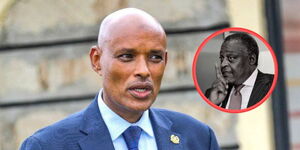
The announcement, made by Principal Secretary for Immigration and Citizen Services Belio Kipsang, is a move by the government to ensure that no Kenyan is left behind in accessing government services and rights, including voting.
Speaking on Tuesday, December 16, during the State Department’s Annual Review Meeting, Kipsang said the additional machines will strengthen outreach registration, particularly in remote and underserved areas, by supporting faster and more efficient capture of biometric data required for national ID issuance.
He commended the department’s directorates for progress made in digitising and upgrading systems, noting that improved infrastructure has already enhanced service delivery.

Key among these efforts are the strengthening of the e-Citizen platform and the rollout of mobile registration initiatives such as Usajili Mashinani.
According to the PS, deploying the additional live capture machines will support the SHIRIKA Plan by increasing identity card registration, which is critical for access to government services, social programmes, and digital platforms.
Usajili mashinani is a mobile outreach campaign, launched by the Ministry of Interior in October 2025, to ensure all citizens have the legal documents necessary to access services. It initially targeted 15 counties with historically low ID registration rates, including Turkana, Baringo, and Elgeyo Marakwet.
The procurement of the additional machines aims to decentralise and speed up the government's efforts to issue national identity cards ahead of the 2027 polls.
The government aims to equip all 1,450 wards in Kenya with these machines in 2026 to ensure grassroots accessibility.
With this technology, citizens can have their data captured and verified in minutes, and the government announced that the ID cards would be ready for collection within seven days.
The government is targeting to register at least one million new ID card holders in the next year to facilitate enrolment in services like the Social Health Authority (SHA). With the IDs, new holders can register as voters and participate in the 2027 general election.
As of now, the National Registration Bureau (NRB) has cleared application backlogs and increased printing capacity to 32,000 cards per day, aiming for a 7-10 day processing time for new applications.
This is on the back of an estimated six million Kenyans who need new IDs this year.
To encourage mass registration, President William Ruto waived the processing charges for first-time applicants and those seeking to replace their cards, a move the opposition claimed was the state's plan to influence the coming elections.
Kipsang further urged Heads of Directorates to sustain the momentum, improve efficiency, and prioritise the timely issuance of national identity cards as the department intensifies efforts to take services closer to citizens.