
Kenya's economy is growing faster, yet many households are asking where the relief is, as per a quarterly report released by the Kenya National Bureau of Statistics (KNBS) on Tuesday, January 7, 2025.
The report indicates that the economy expanded 4.9 per cent in the third quarter of 2025, up from 4.2 per cent the previous year, signalling a recovery driven by construction, mining, and tourism.
However, everyday Kenyans are grappling with rising food prices, slower agriculture growth, and a ballooning current account deficit that widened from Ksh43.5 billion to Ksh135.3 billion.
The report highlights that the growth was fuelled by a two-speed economy, meaning that significant sectors boom, but putting food on the table is still hard.

Construction roared back to life, growing 6.7 per cent after contracting 2.6 per cent in 2024. This rebound has created opportunities for casual labourers, hardware suppliers, and cement manufacturers, with galvanised sheets and construction materials flying off shelves.
Mining and quarrying surged 16.6 per cent, recovering from a 12.2 per cent contraction. The sector's revival has boosted revenue for communities near extraction sites, though questions remain about long-term sustainability.
Tourism got a significant lift from Kenya co-hosting the African Nations Championship, with accommodation and food services expanding 17.7 per cent. Hotels, restaurants, and transport operators in tourist zones reported brisk business as international visitor arrivals jumped 9.9 per cent to 578,234 passengers.
The Port of Mombasa handled more cargo, with volumes rising from 10.2 million to 11.5 million metric tonnes year-on-year. This increase signals more vigorous import activity, though it also contributed to the widening trade deficit.
Agriculture, the backbone of rural livelihoods, grew only 3.2 per cent, down from 4.0 per cent in 2024. Coffee, vegetable, and tea exports declined, squeezing farmers and cooperative earnings in key growing zones.
Inflation climbed to 4.42 per cent from 4.08 per cent, driven by food and non-alcoholic beverages. This means households are paying more for basics even as headline growth improves.
The Central Bank of Kenya cut its benchmark rate to 9.5 per cent from 12.75 per cent, aiming to stimulate lending. Small businesses and borrowers hope this translates into cheaper credit and expanded operations in the coming months.
Mobile money transactions rose 5.2 per cent to Ksh646 million, reflecting steady economic activity at the grassroots level. The Nairobi Securities Exchange 20 Share Index surged from 1,776 to 2,973 points, rewarding investors who stayed the course.
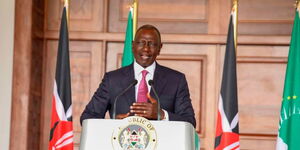
Yet, Kenya's debt burden looms large at Ksh11.6 trillion. President William Ruto's administration is betting on the National Infrastructure Fund (NIF) and Sovereign Wealth Fund (SWF), a Ksh5 trillion plan approved by Cabinet in December 2025 and awaiting parliamentary approval to finance development without adding to public debt or raising taxes.
Economists warn that without tackling the external deficit and ensuring growth reaches rural areas, the recovery will remain uneven.
KNEC Confirms Dates for 2025 KCSE Release News Just In