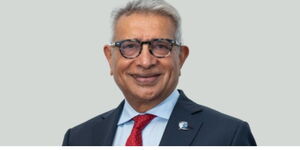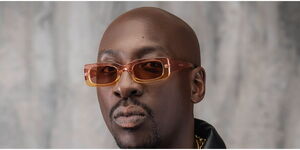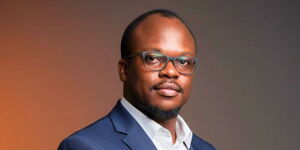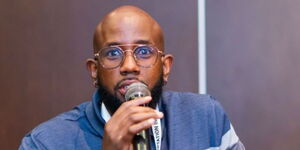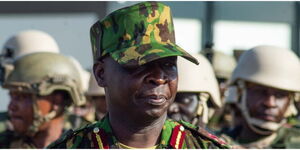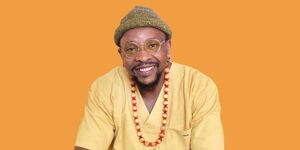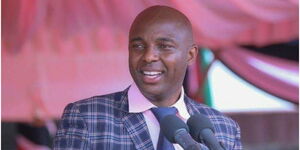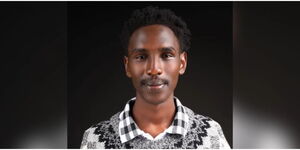

2025 has been an extraordinary year. Artificial intelligence rattled workplaces, protests reshaped national conversations, and fresh political alignments triggered a feverish run-up to the November by-elections.
Yet amid the unpredictability, a select group of Kenyans didn’t merely weather the turbulence, they defined it. Their influence has earned them a place on the highly regarded and eagerly awaited Top 100 Kenyans 2025.
Marking the eighth edition of this annual project, our newsroom tracked the disruptors, the people who dared to drive change between January and December.
Over the past year, influence in 2025 shifted from traditional power centres to individuals displaying leadership amid disruption and community need. Grassroots problem-solvers, particularly those addressing water scarcity, climate shocks, and economic challenges for youth and SMEs, stepped into focus as first responders and local organisers.
Technology also redefined influence, with AI adoption and fintech gains propelling young technologists and digital advocates to prominence. Creators and homegrown innovators increasingly drove national debates, shaping conversations outside established institutions.
Against this backdrop, countless Kenyans stepped up. Some shifted systems, others protected rights, and others rewired entire industries. From this wider pool, Kenyans.co.ke refined a lean list of 100 individuals who genuinely stood out.
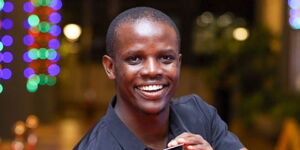
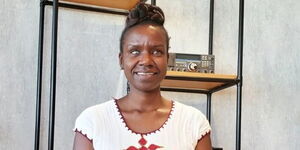
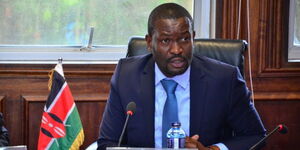
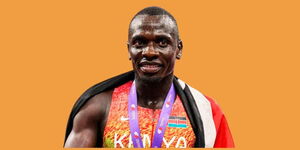
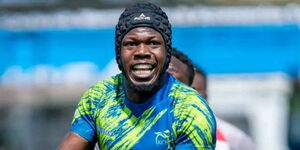
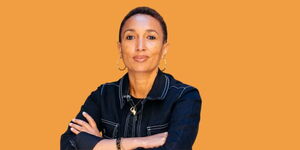
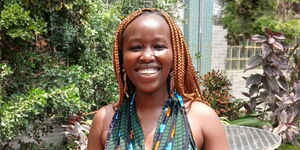
From marathon legend Eliud Kipchoge to industry titans like Tom Gitogo, the CEO of Britam, and Charlot Magayi, the entrepreneur and climate activist who founded Mukuru Clean Stoves, this year’s Top 100 Kenyans presents some of the people who truly defined 2025 in one way or another.
Identifying them demanded more than tallying headlines or counting followers. It required discipline, scrutiny, and a willingness to challenge comfortable assumptions.
That responsibility fell to the project leads, Brian Muuo, Head of Social Media and Campaigns, and Edwin Kuria, Head of Video and Projects, who steered the review process with a firm insistence on credibility and evidence.
The pair oversaw months of internal debates, fact-checking, and pushback as the newsroom worked to determine who truly moved the needle between January and December.
In order to bulletproof the system, the team introduced a multi-layered verification and audit workflow, where every nomination passed through independent fact-checking teams.
Edwin says these teams were tasked with validating achievements, timelines, affiliations, and real-world impact using publicly available data rather than press releases, sponsored content, or unverifiable claims.
“Second, we implemented a conflict-of-interest declaration system for all reviewers, ensuring that anyone with personal, professional, or organisational ties to a nominee was recused from evaluating that candidate,” he said.
Insisting, “This eliminated the subtle influence that can come from proximity, networks, or institutional loyalty.”
“If a nomination raised even a whisper of external pressure, it was put under a microscope. The final 100 is clean because the process was ruthless,” Brian asserted.
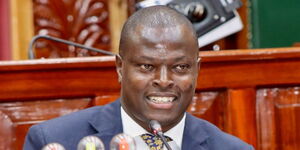
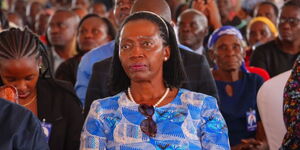
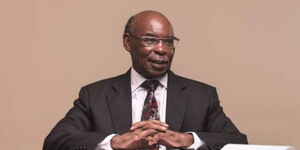
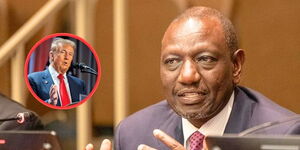
Here are the Kenyans who made the Top 100 Kenyans in 2025.